Do I need a referral from my GP?
NO, you can make an appointment directly without a referral.
If you have been diagnosed with a chronic medical condition and require complex care you may be eligible if fulfilling the criteria with your GP for Chronic Disease Management (CDM) assistance previously known as Enhanced Primary Health Care(EPC) Plan
What do I need to bring to my appointment?
Bring along any X-rays, scans or test results that you may have that is relevant to your visit. For Chronic Disease Management/Enhanced Primary Care Plans, workers Compensation or TAC claims, it is important to bring all paperwork relating to your claim, otherwise we will not be able to treat you on the day of your appointment without incurring full payment.
Am I required to arrive early for my first appointment?
Yes, you should arrive 15 minutes earlier for your first appointment as you will need to fill out your initial patient form.
Why am I asked to complete paper work?
An Osteopath or Myotherapist will need to record your medical history to assist in discussing treatment options. Under the law, an Allied Health Professional needs to obtain your approval to treat you, so you may be asked to sign an ‘informed consent’ form.
What should I wear and do I need to remove my clothes?
It’s important that you feel comfortable, so wear a comfortable shirt and loose pants or bring a pair of shorts to change into.
Depending on the area of your body requiring treatment, your osteopath may ask you to undress to your underwear. If this is the case you should be offered a gown or covered with a towel.
Do you treat children?
Yes, we do. However, if the child is under the age of 18 a guardian must be present during the whole consult duration.
Can I bring a friend or relative?
Yes, you can have someone present throughout your consultation and treatment.
What happens at my first Osteopath consultation?
Your Osteopath will ask you about your problem and symptoms including your medical history involving any medications you are taking or other factors that may indirectly be related to your problem.
Your osteopath will advise you if they can treat you or you need to be referred.
It is necessary to wear comfortable, flexible and appropriate clothing to your appointments. Your osteopath will conduct an examination and clinical tests – these include diagnostic, orthopaedic or neurological tests, postural assessments and activities or exercises. The examination may include passive and active movements that may require your osteopath to lift your arms or legs. and you may be asked to perform physical tests and movements.
Osteopathy takes a holistic approach to treatment. Your osteopath may look at the area that is troubling you as well as other parts of your body. For example, if you have a sore knee, your osteopath may also look at your ankle, pelvis and back. Your osteopath may also provide advice to help you manage your condition between treatments. This could include giving you exercises to do at home or work.
What if my condition changes over time?
It is important to tell your osteopath if your medical condition changes over time. This includes any new injuries or change of medications.
Is Osteopathic treatment painful?
Most Osteopathic treatments involve manual therapy and should not cause undue discomfort. If your injuries do require hands-on treatment of painful and tender areas your Osteopath will aim to make you as comfortable as possible.
There are techniques which may cause some short-term discomfort or pain. You may experience mild soreness for a day or two after treatment, not dissimilar to that felt after mild exercise.
If this soreness persists or increases significantly, call your osteopath to discuss your concerns.
How many appointments will I need?
This depends on your condition – Generally, you would expect to see some changes regarding your symptoms after one or two visits. Long term or chronic conditions may require more treatment.
Your osteopath will discuss this with you.
Do you have wheelchair accessibility?
Please notify staff if you require wheel chair access during your osteopathic consult.
We have allocated an accessible parking bay directly in front of our main entrance, including an accessible ramp to enter our building.

KO SPORTS AND MOVEMENT
Osteopathy and Allied Health Clinic located and supporting the Brimbank and Melton communities in the Western Suburbs of Melbourne, Victoria
Albanvale, Albion, Ardeer, Burnside, Braybrook, Brimbank, Cairnlea, Caroline Springs, Deanside, Deer Park, Delahey, Derrimut, Footscray, Fraser Rise, Hillside, Kealba, Keilor, Keilor Downs, Kings Park, Maribyrnong, Melton, Ravenhall, Rockbank, Sunshine, St Albans, Sydenham, Taylors Lakes, Taylors Hill.
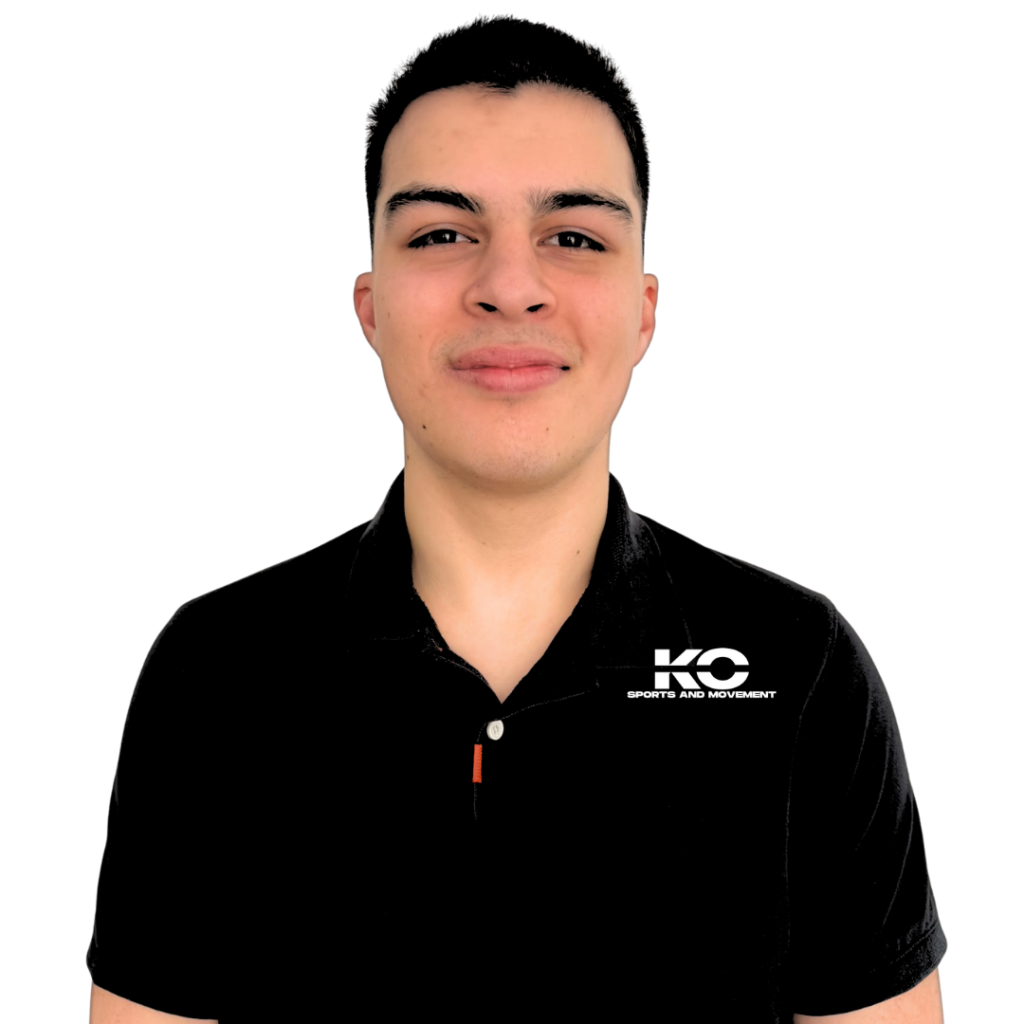
 Jack’s journey into Osteopathy was inspired by personal experiences with sports-related injuries which fuelled a deep interest in holistic healthcare. This led him towards Osteopathy where it allowed the roles to be reversed and himself the one providing the care.
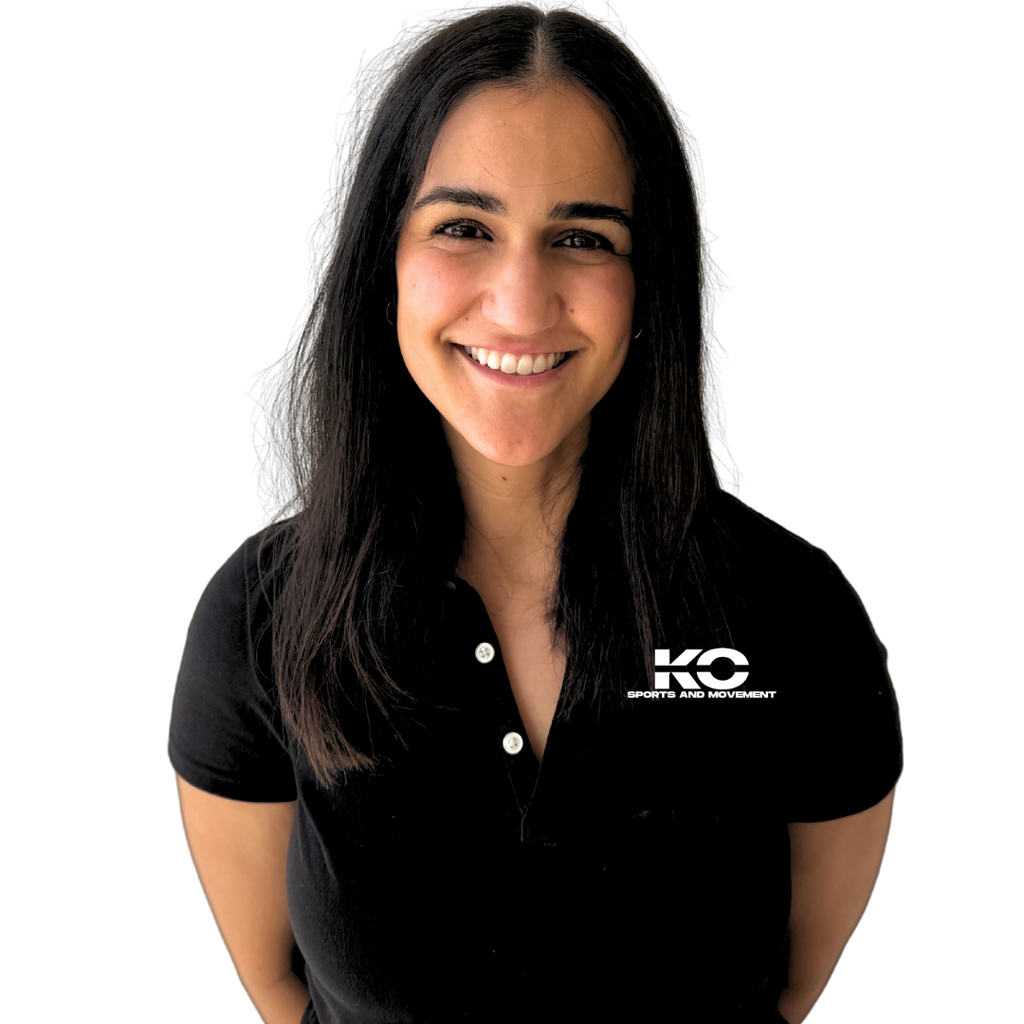
 Krystyn finds it extremely rewarding assisting patients to improve their quality of life and everyday function through individualised consultations and treatment approaches. She is a strong believer that movement is medicine, which is reflected in her tailored approach to each individual. When working with patients, Krystyn takes pride in incorporating a patient’s personal goals, such as return to sport or work, and encouraging them to take an active role in their recovery.
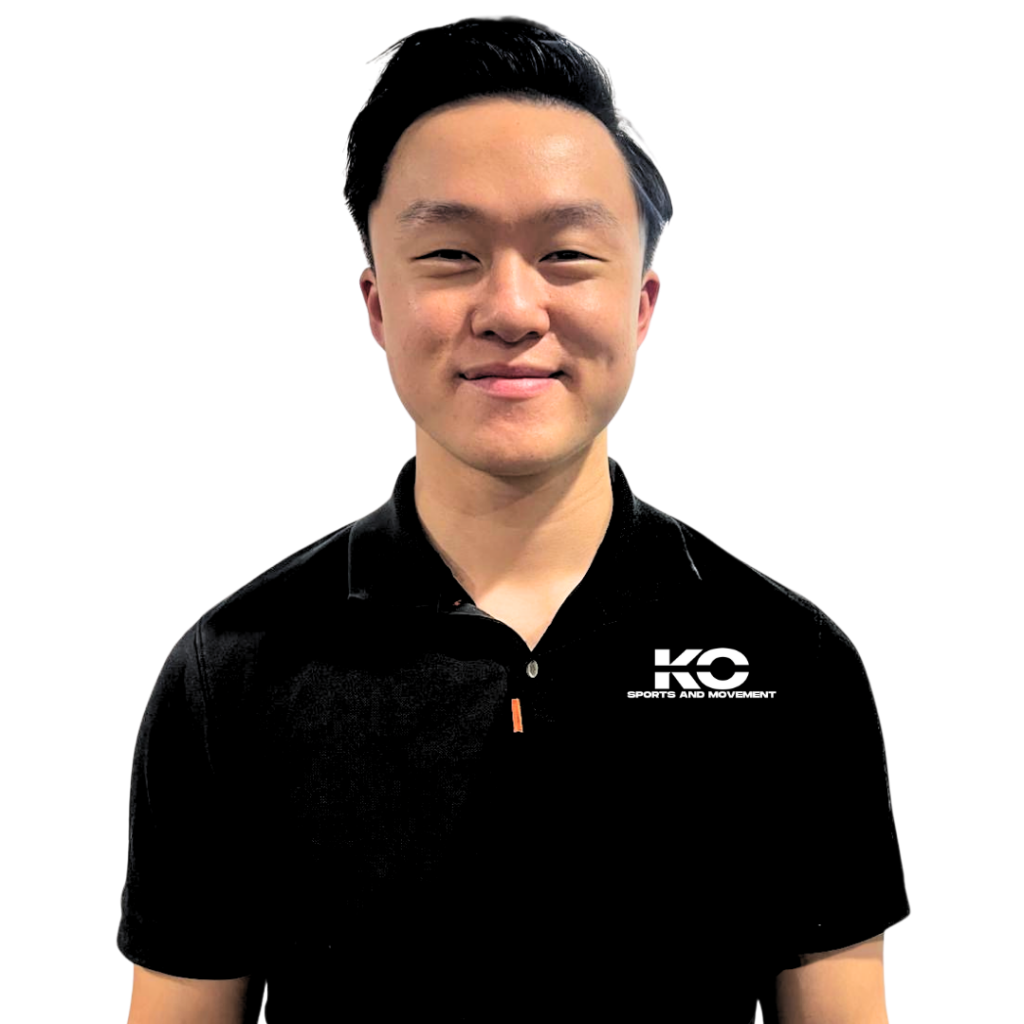
 While completing his Masters of Health Science, Jeremy fulfilled an internship for SportsMed in India, where he treated, managed and observed a wide range of patients (including a mixture of adults, children and upcoming athletes) from acute and chronic injuries. Over the period of his internship, he was also given the notable opportunity to observe leading Orthopaedic surgeons during their consultations and operations.